

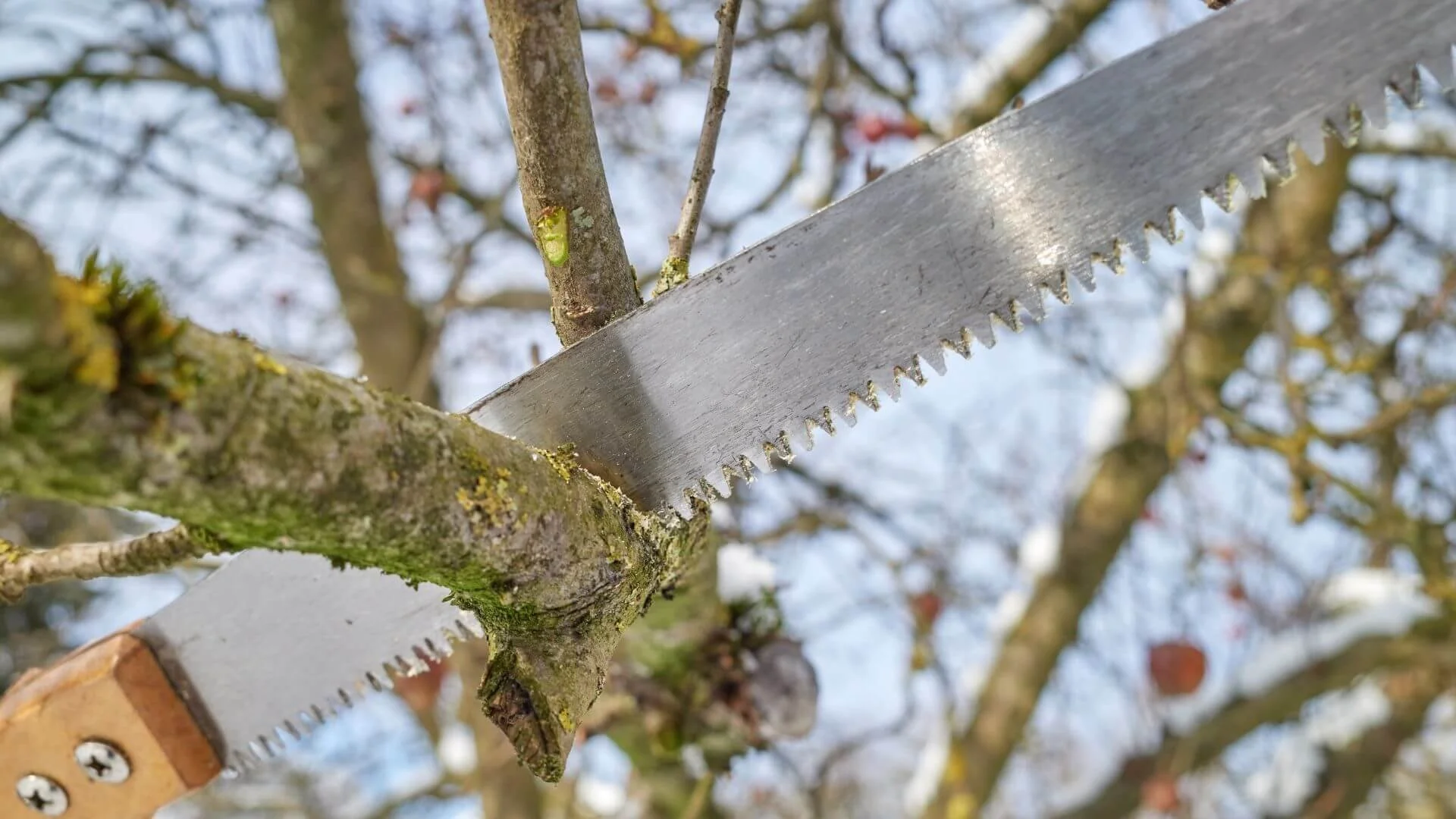
When winter arrives in Michigan, most homeowners put outdoor projects on hold. Between freezing temperatures, snow-covered lawns, and unpredictable weather, tree removal probably isn't at the top of your to-do list.
But what if you have a dead tree leaning toward your garage? Or a large tree that's been causing problems for years and you’re finally ready to get rid of it?
The good news? Winter tree removal is absolutely possible in Michigan, and in many cases, it can be a smart time to get the job done.
Here's what you should know about removing trees during Michigan's colder months, including the benefits, safety considerations, and best time to schedule the work.
Key Takeaways
Winter tree removal is possible in Michigan when weather and ground conditions allow crews to work safely.
Leafless trees provide better visibility for planning difficult removals.
Dead, damaged, or hazardous trees don't necessarily have to wait until spring.
Heavy snow, ice, strong winds, and extreme cold can delay tree removal.
Winter may offer convenient scheduling before the busy spring season.
Professional tree removal is especially important when trees are near homes, driveways, or power lines.
Can You Remove Trees in the Winter in Michigan?
Yes! Professional tree removal can be performed throughout the winter in Michigan.
It's a common misconception that tree companies stop working once temperatures drop below freezing. In reality, many tree removal projects can be completed during winter, including removing dead trees, storm-damaged trees, and unwanted trees that have outgrown their space.
The biggest consideration for tree removal in winter is making sure the weather conditions are safe for the crew. Snow on the ground doesn't automatically prevent tree removal. Neither do freezing temperatures. However, ice-covered branches, strong winds, or difficult equipment access may require postponing a project.
An experienced tree service will evaluate the property and determine the safest approach before beginning work.
What Are the Benefits of Winter Tree Removal?
Michigan winters might seem like an inconvenient time for outdoor work, but they can actually provide several advantages.
1. Bare Branches Make Trees Easier to Evaluate
Most deciduous trees in Michigan lose their leaves during fall. Without thick foliage blocking the view, tree professionals can see the trunk and branches more clearly.
This makes it easier to identify:
Dead or broken limbs.
Cracks and weak branch connections.
Structural problems.
Branches extending toward buildings.
Areas requiring careful cutting or rigging.
Better visibility is particularly helpful when removing large trees near homes, garages, fences, or other obstacles. It allows crews to develop a more informed removal plan before work begins.
2. You Can Address Dangerous Trees Before Another Storm
Michigan winters bring heavy snow, freezing rain, ice accumulation, and strong winds.
For healthy trees, these conditions are often manageable. But trees that are already dead, decaying, or structurally damaged may be more vulnerable to failure.
Removing a hazardous tree before additional severe weather can help reduce the risk of falling branches or damage to nearby structures. If you've been watching a questionable tree all summer, winter may be a good opportunity to finally address it.
3. Winter Tree Removal Can Fit Your Schedule Better
Spring and summer are busy seasons for outdoor projects. Between landscaping, home improvements, and family activities, scheduling tree removal can feel inconvenient.
Taking care of the work during winter means one less project to worry about when warmer weather arrives.
Is Winter Tree Removal Safe?
Yes, experienced professionals can perform winter tree removal safely, but it requires careful planning.
Snow, ice, and freezing temperatures introduce challenges that aren't always present during warmer months. Professional crews need to consider equipment access, ground stability, visibility, and weather conditions before starting.
When Winter Weather Makes Tree Removal More Difficult
Certain conditions can make tree removal unsafe or impractical.
These include:
Heavy snowfall: Deep snow can block access and hide obstacles.
Ice-covered branches: Ice adds weight and can make branches unpredictable.
Strong winds: Wind can interfere with controlled cutting and rigging.
Extreme cold: Very low temperatures can affect equipment performance and worker safety.
Thawing ground: Soft or saturated soil can create access problems and increase lawn damage.
Shorter winter days can also limit the amount of working time available. A reputable tree service, like Trumpp Tree Service, should monitor these conditions and adjust the schedule when necessary.
Sometimes, waiting for a safer weather window is the best decision.
Why Professional Equipment Matters
Removing a large tree is challenging in any season. During winter, crews may need additional precautions to manage slippery surfaces, snow accumulation, and equipment performance.
Depending on the project, professional tree removal may involve specialized cutting equipment, rigging systems, or machinery to safely handle large sections of wood.
The right approach depends on the tree's size, condition, location, and accessibility. That's why homeowners shouldn't attempt large or hazardous tree removal themselves.
When Should You Schedule Winter Tree Removal?
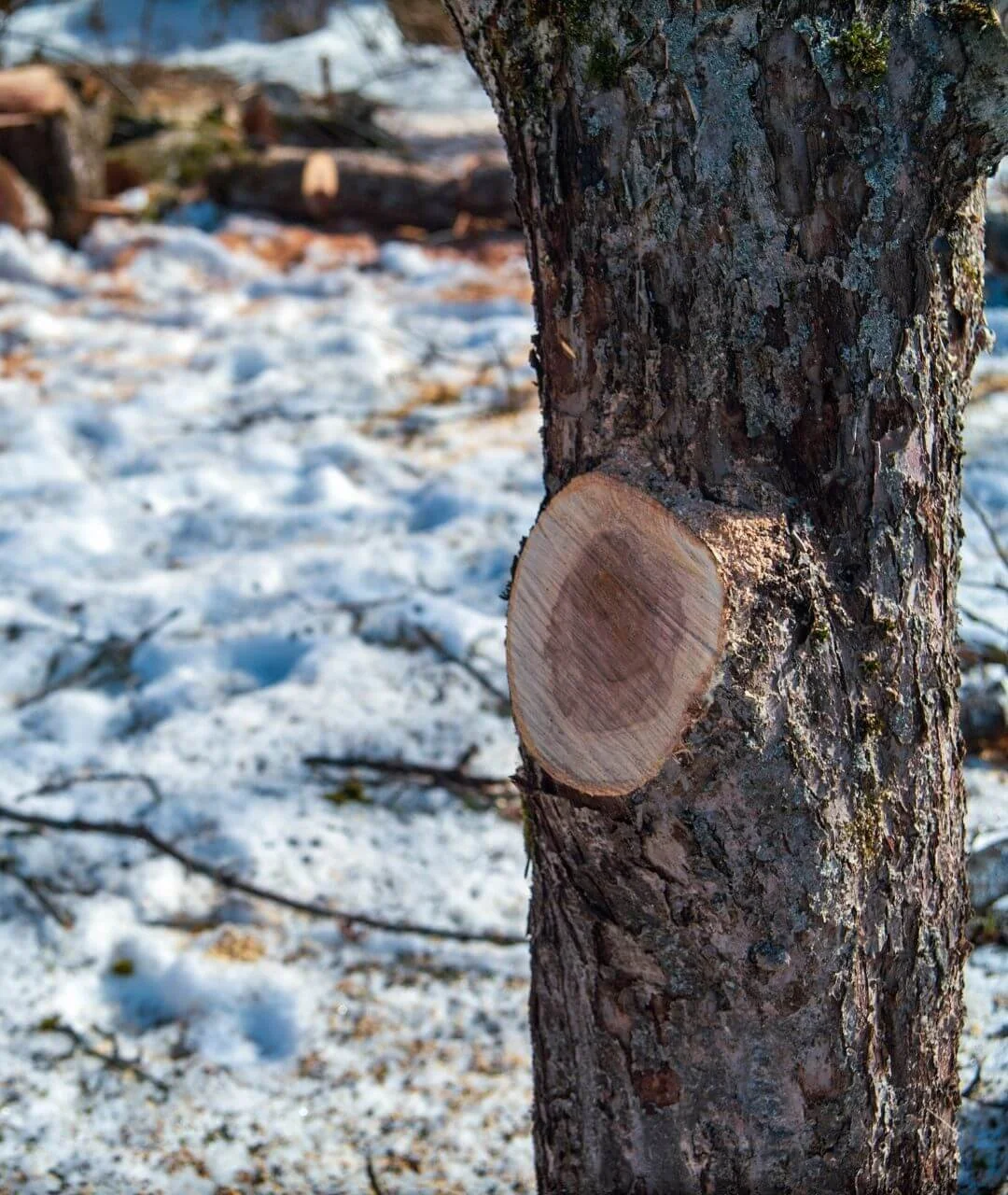
The best time depends on why the tree needs to come down. Some removals can be planned weeks in advance. Others require immediate attention.
Schedule Ahead for Healthy but Unwanted Trees
If your tree is healthy but has outgrown its location, winter can be a convenient time to schedule removal.
Common reasons include:
A tree growing too close to a structure.
Plans for a new patio, driveway, or landscaping project.
Branches interfering with usable outdoor space.
A tree that no longer fits your property's needs.
For planned removals, scheduling before spring gives you time to prepare for upcoming projects.
Don't Delay When a Tree Is Dangerous
A dead or severely damaged tree is a different situation. Waiting several months could increase the risk of falling limbs or structural failure.
Warning signs include:
Large dead branches hanging over your home.
Deep cracks in the trunk.
Significant decay or fungal growth.
A sudden lean or exposed roots.
Major damage following a storm.
If you notice these conditions, contact a professional tree service for an evaluation rather than waiting for warmer weather. A dangerous tree may need prompt attention even in the middle of winter.
Is Winter Better for Tree Removal or Tree Trimming?
Both services can be performed during winter, but they serve different purposes.
Tree removal involves taking down an entire tree when it's dead, dangerous, unwanted, or no longer suitable for its location.
Tree trimming focuses on removing selected branches while preserving the tree.
Winter can be particularly beneficial for trimming many deciduous trees because they're dormant and their branch structure is easier to see. Dormant-season pruning may also reduce exposure to certain insects and diseases.
For example, Michigan homeowners should pay special attention to oak wilt. Pruning oak trees during the appropriate dormant-season window generally reduces the risk of spreading this serious disease.
However, not every damaged tree needs removal. Sometimes, removing dead or problematic branches is enough to address the concern.
A professional evaluation can help determine whether trimming or complete removal makes more sense.
Why Choose Trumpp Tree Service for Winter Tree Removal?
Removing trees during Michigan winters takes experience, planning, and the right approach.
At Trumpp Tree Service, we help homeowners throughout Oakland County and surrounding communities tackle difficult tree removals, including hazardous and storm-damaged trees.
With more than 20 years of combined experience, our licensed and insured team understands the challenges of working around homes, garages, driveways, and other obstacles. We believe in honest recommendations. If a tree can reasonably be maintained instead of removed, we'll help you understand your options.
When removal is necessary, our team focuses on safe, efficient work and thorough cleanup.
Schedule Your Winter Tree Removal With Trumpp Tree Service
You don't have to wait until spring to remove a dead, damaged, or unwanted tree. Winter tree removal offers many advantages, such as better visibility and the opportunity to address hazards before another storm.
The key is choosing an experienced team that knows when conditions are right for the job.
Need a tree removed this winter? Contact Trumpp Tree Service for a free quote.
Frequently Asked Questions About Winter Tree Removal
Is it okay to remove trees during winter?
Yes. Professional tree removal can be performed during winter when weather, ground conditions, and equipment access allow crews to work safely.
Is winter the cheapest time to remove a tree?
Not necessarily. Tree removal costs depend on factors such as tree size, location, condition, access, and job complexity. Winter scheduling doesn't automatically guarantee a lower price.
Will removing a tree in winter damage my lawn?
Frozen ground may help reduce rutting and soil disturbance. However, lawn protection depends on ground conditions, equipment access, and the removal process.
Can a dead tree stay standing until spring?
It depends on its condition and location. Dead trees can lose structural strength over time, so trees near homes, driveways, or frequently used areas should be evaluated rather than automatically left until spring.
Can trees be removed when there's snow on the ground?
Yes. Snow alone doesn't prevent professional tree removal. However, deep snow, ice, high winds, and other hazardous conditions may delay the project.
