

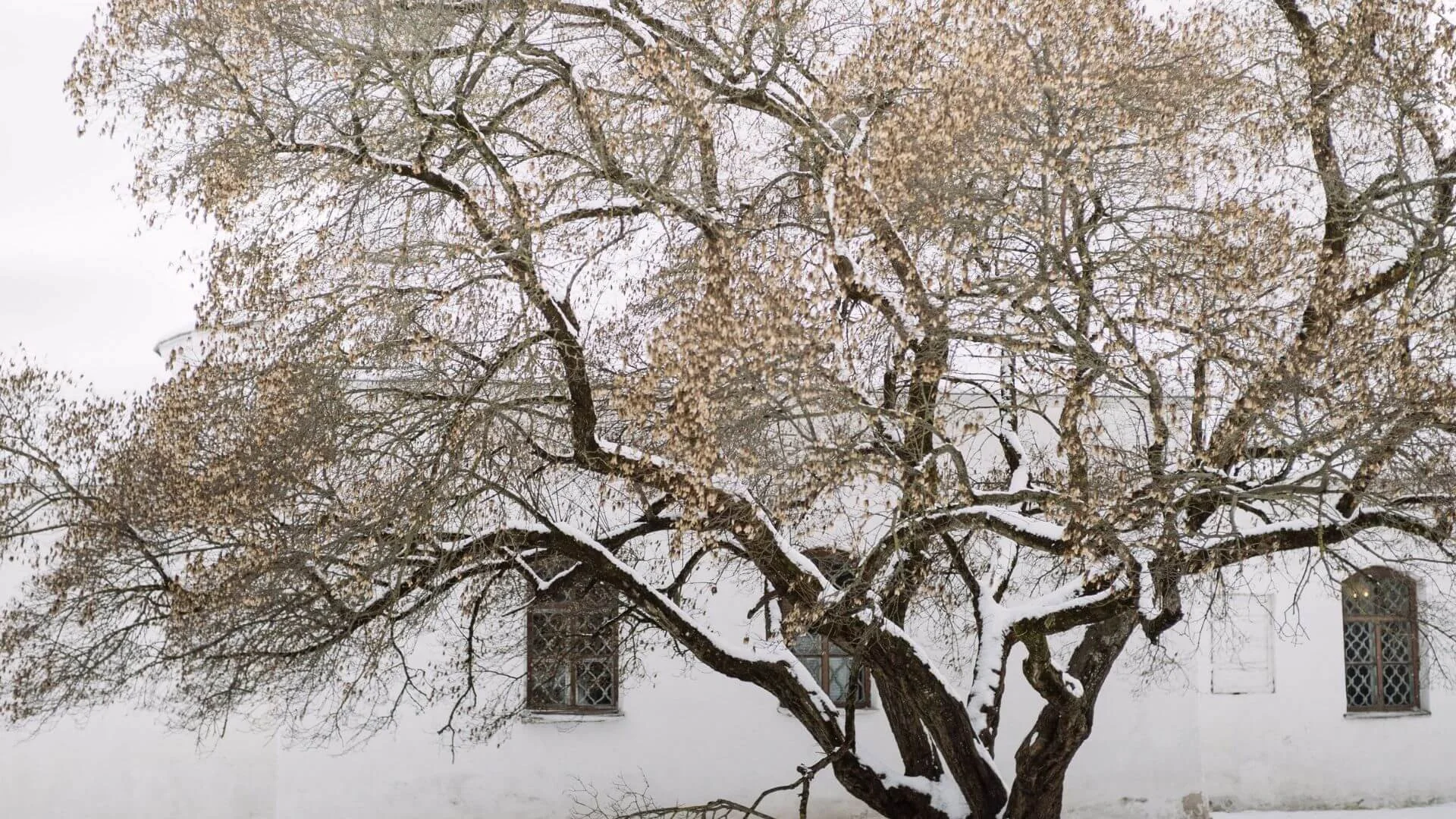
It's a familiar sight in Michigan. Winter rolls around, the leaves disappear, and the trees in your yard look bare and lifeless.
Most of the time, that's completely normal. Michigan winters can make even the healthiest trees look lifeless. But what happens when spring arrives, and your tree still looks the same?
You might find yourself asking, "Is my tree dead or dormant?"
The good news is that a leafless tree isn't necessarily dead. Many trees simply need time to wake up after winter. However, brittle branches, damaged bark, and other warning signs could indicate something more serious.
At Trumpp Tree Service, we help Michigan homeowners identify hazardous trees and determine when trimming or removal is necessary.
Here's how to tell whether your tree is resting or potentially dying.
Key Takeaways
Dormancy is a natural process that helps trees survive Michigan winters.
The scratch test, bud inspection, and branch flexibility test can help identify living branches.
A tree without leaves isn't necessarily dead, especially in early spring.
Extensive dead branches, trunk damage, and fungal growth may indicate serious problems.
Some trees naturally produce leaves later than others.
A struggling tree may recover, but a completely dead tree cannot.
Dangerous or unstable trees should be professionally evaluated.
Is My Tree Dead or Dormant? Understanding the Difference
Dormancy is a normal part of a tree's life cycle.
As temperatures drop and daylight decreases, deciduous trees like maples, oaks, and birches shed their leaves and slow their growth.
This allows them to conserve energy and survive freezing temperatures. Although the branches look bare, the tree remains alive beneath the bark.
A dead tree, however, can no longer support new growth. Its living tissues have died, meaning it won't produce new leaves when warmer weather returns.
The tricky part?
Dormant and dead trees can look almost identical during winter. That's why you should check for several signs of life before assuming your tree needs to be removed.
How to Tell if a Tree Is Dead or Dormant
You don't need specialized equipment to perform a few basic checks.
These three simple tests can help you determine whether parts of your tree are still alive.
1. Perform the Scratch Test
The scratch test is one of the easiest ways to check for living tissue.
Find a small branch you can safely reach from the ground. Using your fingernail, gently scratch away a tiny section of bark.
Look at the tissue underneath.
Green and moist: The branch is likely alive.
Brown and dry: That section may be dead.
If one branch appears dead, check a few others.
A tree can have dead branches while the rest remains healthy. Avoid making large cuts or damaging the trunk during testing.
2. Look for Healthy Buds
Dormant trees often develop buds before winter that remain closed until spring.
Check the ends of several branches for small, firm buds.
Healthy buds may be green, brown, or reddish, depending on the species.
Shriveled, dry, or crumbling buds can indicate that a branch has died.
If you notice healthy buds throughout the tree, that's a promising sign.
3. Check Branch Flexibility
Gently bend a small, reachable twig.
Living twigs are often flexible, while dead ones tend to snap easily. However, some tree species naturally have brittle branches, so this test isn't always conclusive.
For the best results, use all three tests together.
Remember, never climb a tree or pull on large branches to check whether they're alive.
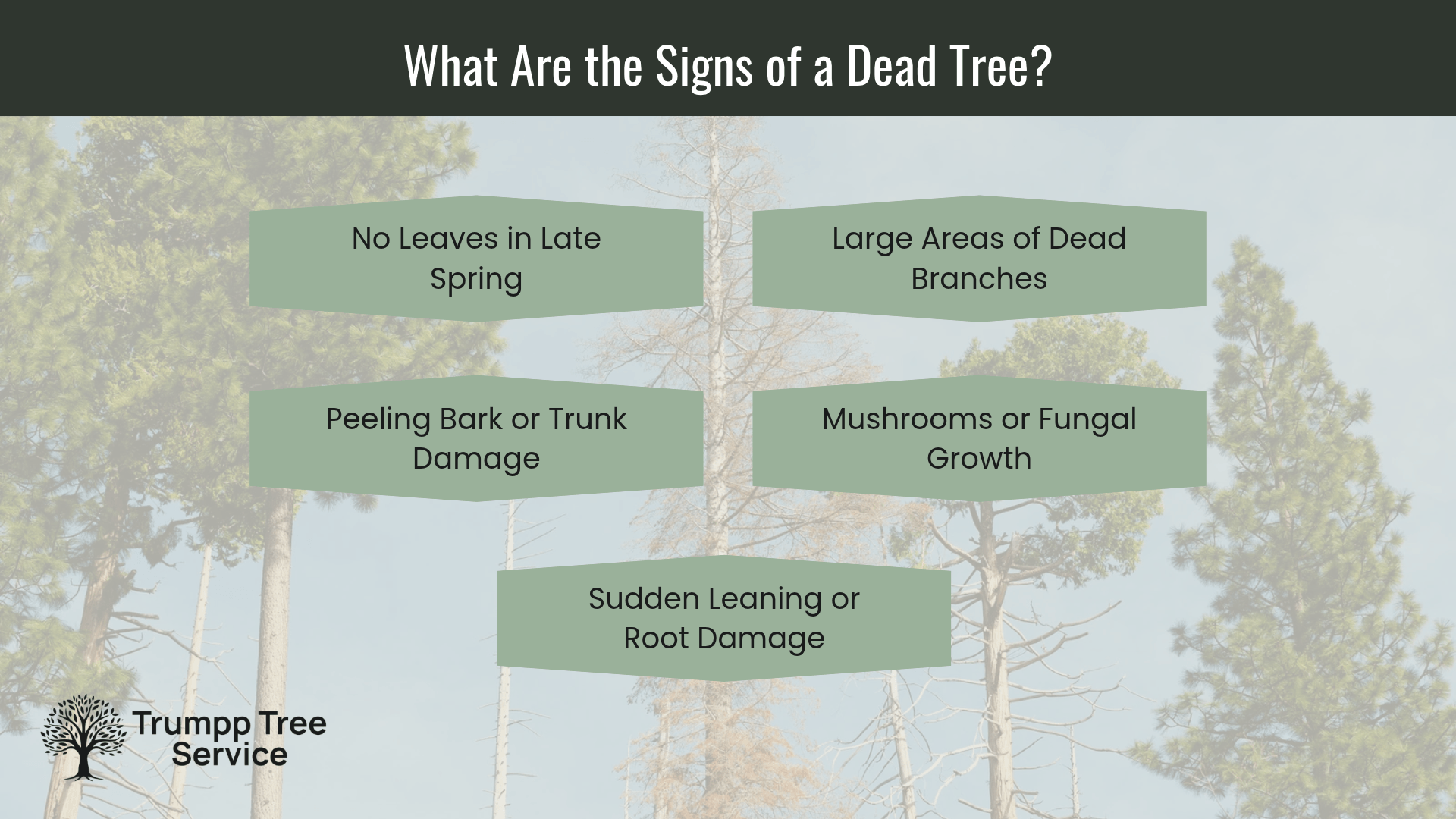
What Are the Signs of a Dead Tree?
While bare branches are normal during dormancy, certain symptoms may indicate a tree is dying.
No Leaves in Late Spring
If your tree remains bare while nearby trees of the same species have fully leafed out, it may be struggling.
However, some species naturally wake up later than others.
Give your tree time before assuming it's dead, particularly after an unusually cold Michigan spring.
Large Areas of Dead Branches
A few dead branches aren't necessarily cause for alarm. But widespread dieback, especially near the top of the tree, can indicate declining health.
Dead branches hanging over your home, driveway, or outdoor living areas also create potential safety hazards.
Peeling Bark or Trunk Damage
Some trees naturally shed bark.
However, large sections of missing bark, deep cracks, or exposed decaying wood may indicate serious problems.
Pay particular attention to cracks in the main trunk or large supporting branches.
Mushrooms or Fungal Growth
Mushrooms growing around the base or shelf-like fungi attached to the trunk can indicate internal decay.
Not every fungus means a tree is dying, but these signs deserve professional attention.
Sudden Leaning or Root Damage
A tree that suddenly begins leaning may have damaged or unstable roots.
Exposed roots, raised soil, or cracks near the trunk can also signal structural problems.
If you notice these warning signs, stay back and contact a professional.
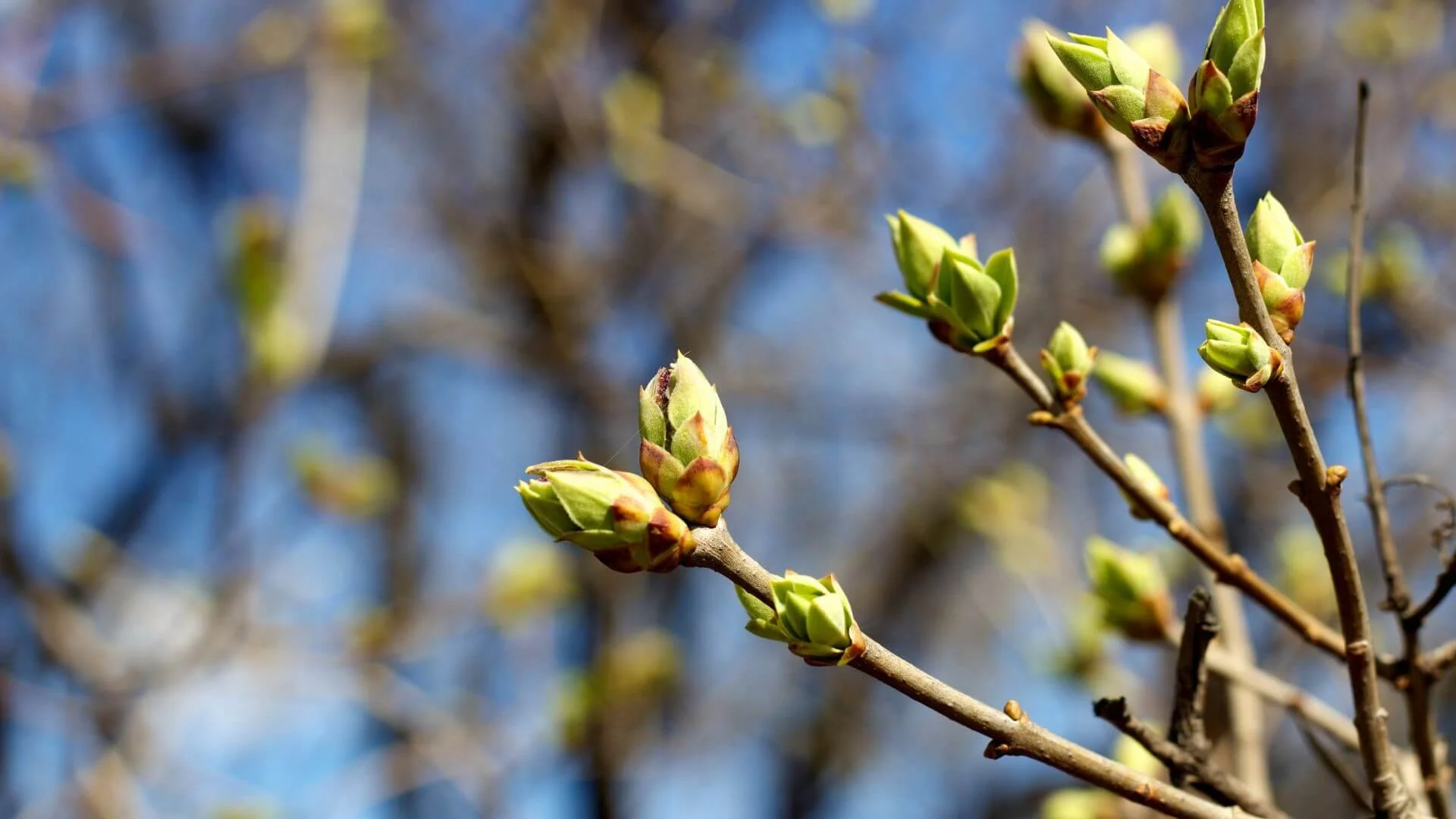
Why Isn't My Tree Growing Leaves in Spring?
Michigan weather can be unpredictable, especially during spring.
Warm temperatures may encourage early growth, only for another cold spell to slow things down. Different tree species also follow different schedules.
For example, maples may already have leaves while certain oaks, black walnuts, and catalpas are still bare.
Other factors that can delay leaf growth include:
Late spring freezes
Winter injury
Drought stress
Root damage
Recent transplanting
If your tree hasn't produced leaves yet, compare it with healthy trees of the same species nearby. If it's significantly behind and shows other warning signs, a professional evaluation may be worthwhile.
Can a Dying Tree Be Saved?
Sometimes! A tree with a few dead branches isn't necessarily beyond saving.
Trees can be stressed by drought, pests, disease, soil compaction, or storm damage.
Depending on the cause, proper maintenance may help them recover.
For example, selective pruning can remove dead or damaged branches while preserving healthy growth. However, a completely dead tree cannot be revived.
If the trunk has extensive decay, the roots are unstable, or most of the canopy has died, removal may be the safest option. At Trumpp Tree Service, we believe in honest recommendations. Not every struggling tree needs to come down.
When Should You Remove a Dead Tree?
Dead trees can become dangerous as branches weaken and wood deteriorates.
Michigan's heavy snow, ice, and strong winds can increase the risk of falling limbs or structural failure.
Professional removal may be necessary when a dead tree threatens:
Your home or garage
Driveways and parked vehicles
Sidewalks and outdoor gathering areas
Neighboring properties
A tree with major cracks, sudden leaning, or unstable roots should be assessed promptly, even if some branches are still alive.
Don't wait for the next storm to find out whether your tree is safe.
Trust Trumpp Tree Service With Your Dangerous Trees
Determining whether a tree is dead or dormant isn't always easy.
When a large tree is near your home, guessing can be risky.
At Trumpp Tree Service, we help homeowners throughout Oakland County and surrounding Michigan communities handle hazardous trees, damaged branches, and difficult removals.
With more than 20 years of combined experience, our licensed and insured team knows how to tackle challenging tree work safely.
We provide honest recommendations, fast responses, and thorough cleanup.
Whether you're in Clarkston, Rochester, Waterford, Bloomfield, Auburn Hills, or a nearby community, Nick the Tree Guy and our team are ready to help.
Not Sure if Your Tree Is Dead or Dormant? Call Trumpp Tree Service!
A bare tree isn't always a dead tree.
Healthy buds, flexible branches, and green tissue beneath the bark are encouraging signs that your tree may simply be dormant.
But widespread dead branches, trunk damage, and unstable roots shouldn't be ignored.
If you're concerned about a tree on your property, contact Trumpp Tree Service for a free quote.
We'll help you understand your options and determine whether trimming or removal is the right solution.
Frequently Asked Questions
Can a tree look dead but still be alive?
Yes. Dormant trees can appear completely lifeless during winter. Healthy buds and green tissue beneath the bark are signs that parts of the tree are still alive.
Does green under the bark mean my tree is alive?
Green, moist tissue generally indicates living tissue in that section. However, it doesn't guarantee the entire tree is healthy.
How long should I wait for my tree to grow leaves?
It depends on the species and weather. Some trees leaf out later in spring. Compare yours with nearby trees of the same species and seek professional advice if it remains bare.
Can a dead tree come back to life?
No. A completely dead tree cannot recover. However, a stressed tree with some living branches may improve with appropriate care.
Is it dangerous to leave a dead tree standing?
It can be. Dead trees may lose structural strength over time, especially during storms. Trees near homes, vehicles, or frequently used areas should be professionally assessed.
