

What To Expect From Spring Tree Trimming in Eastern Michigan
Winter can be rough on your trees here in Eastern Michigan. Between heavy snow, freezing temperatures, ice buildup, and strong winds, it’s common for trees to come out of winter stressed, damaged, or overloaded with weak branches.
That’s why spring tree trimming is one of the most important tree services homeowners can schedule.
Done correctly, spring trimming helps your trees recover from winter damage, grow stronger throughout the year, and reduce the risk of dangerous branches falling during spring and summer storms.
At Trumpp Tree Service, we help homeowners across Clarkston, Rochester, Waterford, Brighton, Bloomfield, Milford, Auburn Hills, and surrounding areas get their trees cleaned up, shaped properly, and ready for the growing season.
Here’s what you can expect from professional spring tree trimming and why timing matters more than most people realize.
Key Takeaways
Spring tree trimming helps remove winter damage before it becomes dangerous
Proper trimming improves tree health, airflow, and structure
Timing matters because over-pruning during active growth can stress trees
Spring trimming can reduce storm damage risks during Michigan weather
Professional tree trimming protects your home, landscaping, and tree health
Different trees require different trimming approaches and timing
Preventative trimming is usually far less expensive than emergency tree removal later
Why Does Spring Tree Trimming Matter?
As temperatures warm, trees begin preparing for a season of rapid growth.
Even though branches may still look dormant, roots and buds are already becoming active beneath the surface. This short window between winter and full spring growth is often one of the best times to address structural issues, storm damage, and overgrowth before the tree puts all its energy into new growth.
Spring tree trimming helps:
Remove dead or damaged limbs from winter storms
Reduce the risk of falling branches
Improve airflow and sunlight through the canopy
Encourage stronger, healthier growth
Improve the tree’s overall shape and balance
Prevent limbs from growing into homes or power lines
More importantly, it helps catch small problems before they become expensive emergencies.
What Happens During a Spring Tree Trimming Service?
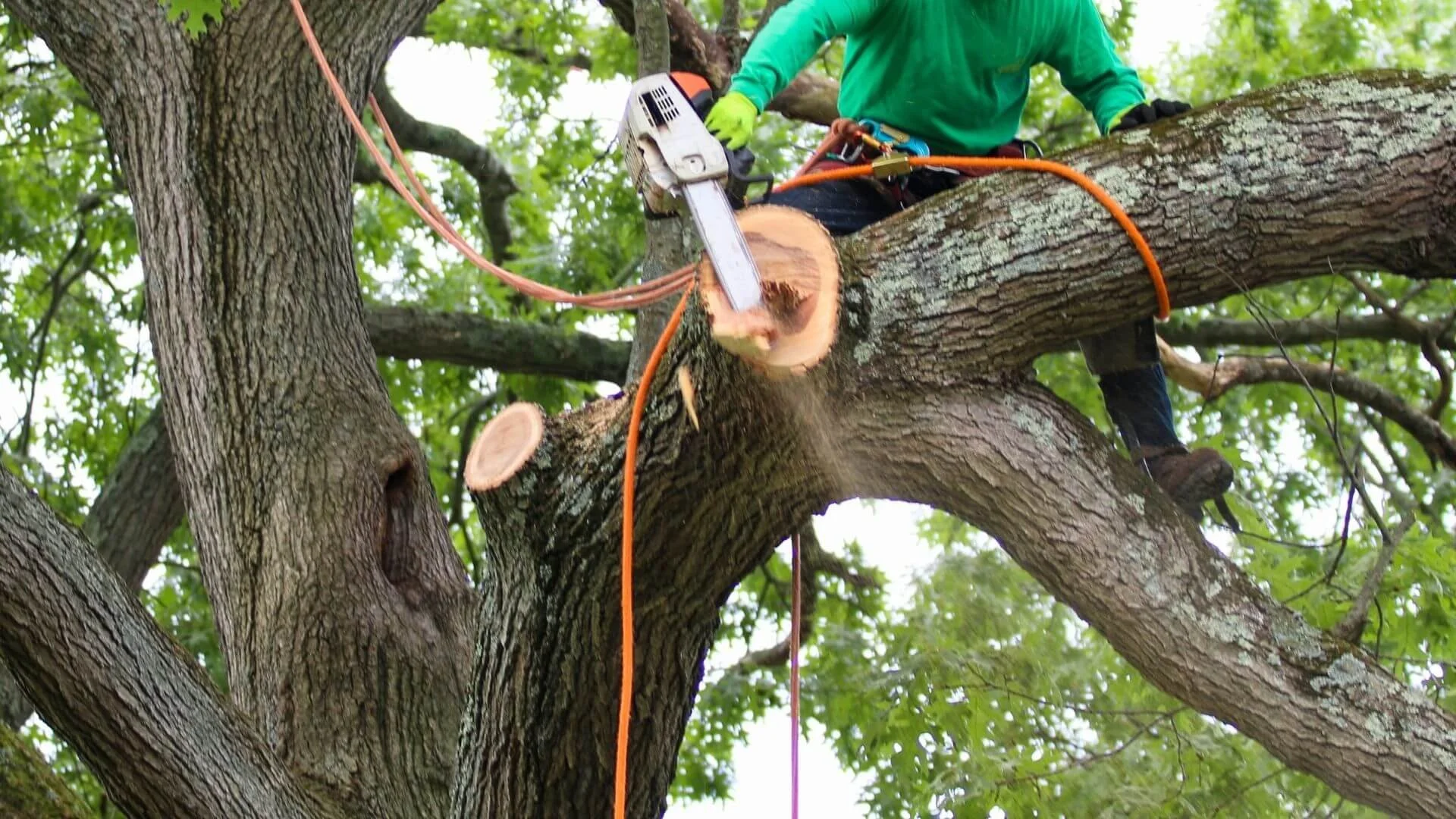
A professional tree trimming service involves much more than simply cutting branches.
At Trumpp Tree Service, we start every job with a full inspection of the tree and the surrounding property. Every tree grows differently, and the right trimming approach depends on the tree's species, health, age, and location.
During spring tree trimming, we typically look for:
Dead or hanging branches
Winter storm damage
Cracks or weak branch attachments
Overgrown limbs near structures
Crossing or rubbing branches
Dense canopy areas that restrict airflow
Signs of disease, stress, or decay
Once we evaluate the tree, we carefully remove problem branches while protecting its overall structure and health.
Our goal is never to overcut or “hack back” trees. Proper tree trimming should leave the tree healthier, safer, and naturally balanced.
Removing Winter Damage Early
Michigan winters can quietly damage trees without homeowners realizing it right away.
Heavy snow and ice place enormous stress on limbs, especially weaker branches or trees that were already struggling before winter arrived.
Some common winter-related issues include:
Split limbs
Cracked branches
Broken canopy sections
Leaning limbs
Hidden structural weaknesses
One of the biggest benefits of spring tree trimming is that trees are often easier to inspect before full leaf growth begins. Without thick foliage obscuring visibility, we can more easily identify damage and safely remove compromised limbs before spring storms arrive.
This helps reduce the chance of:
Branches falling on your home
Property damage
Injuries
Emergency removals later in the season

Why Does Timing Matter for Spring Tree Trimming in Michigan?
Timing is one of the most important parts of successful tree trimming.
In Eastern Michigan, late winter through early spring is often ideal because many trees are still transitioning out of dormancy. During this stage, trees can recover more efficiently from pruning cuts before peak summer stress begins.
However, timing can vary depending on the species of tree.
Some trees tolerate spring trimming very well, while others become more vulnerable to disease (like oak trees), pest infestations, excessive sap bleeding, or growth stress.
That’s why professional tree services matter. Improper spring trimming can actually weaken a tree if too much is removed or if cuts are made incorrectly.
At Trumpp Tree Service, we understand how Michigan weather and local tree species affect trimming schedules, and we make recommendations based on what’s healthiest for the tree long term.
How Does Spring Tree Trimming Help to Prevent Storm Damage?
One of the biggest reasons homeowners schedule spring tree trimming is storm prevention.
Overgrown trees with dense canopies or weak limbs are far more likely to fail during:
Thunderstorms
High winds
Heavy rain
Summer storm systems
Spring trimming helps reduce these risks by improving the tree’s overall balance and structure.
This often includes:
Removing excess weight from heavy limbs
Thinning overcrowded canopy sections
Eliminating weak branch connections
Improving wind flow through the tree
A tree with a properly managed canopy handles wind much better than one with dense, overgrown growth.
This is especially important in areas such as Clarkston, Waterford, Brighton, and Rochester, where severe weather can arrive quickly in spring and summer.
What Are The Signs Your Tree Needs a Spring Trimming?
Not every tree problem is obvious at first glance.
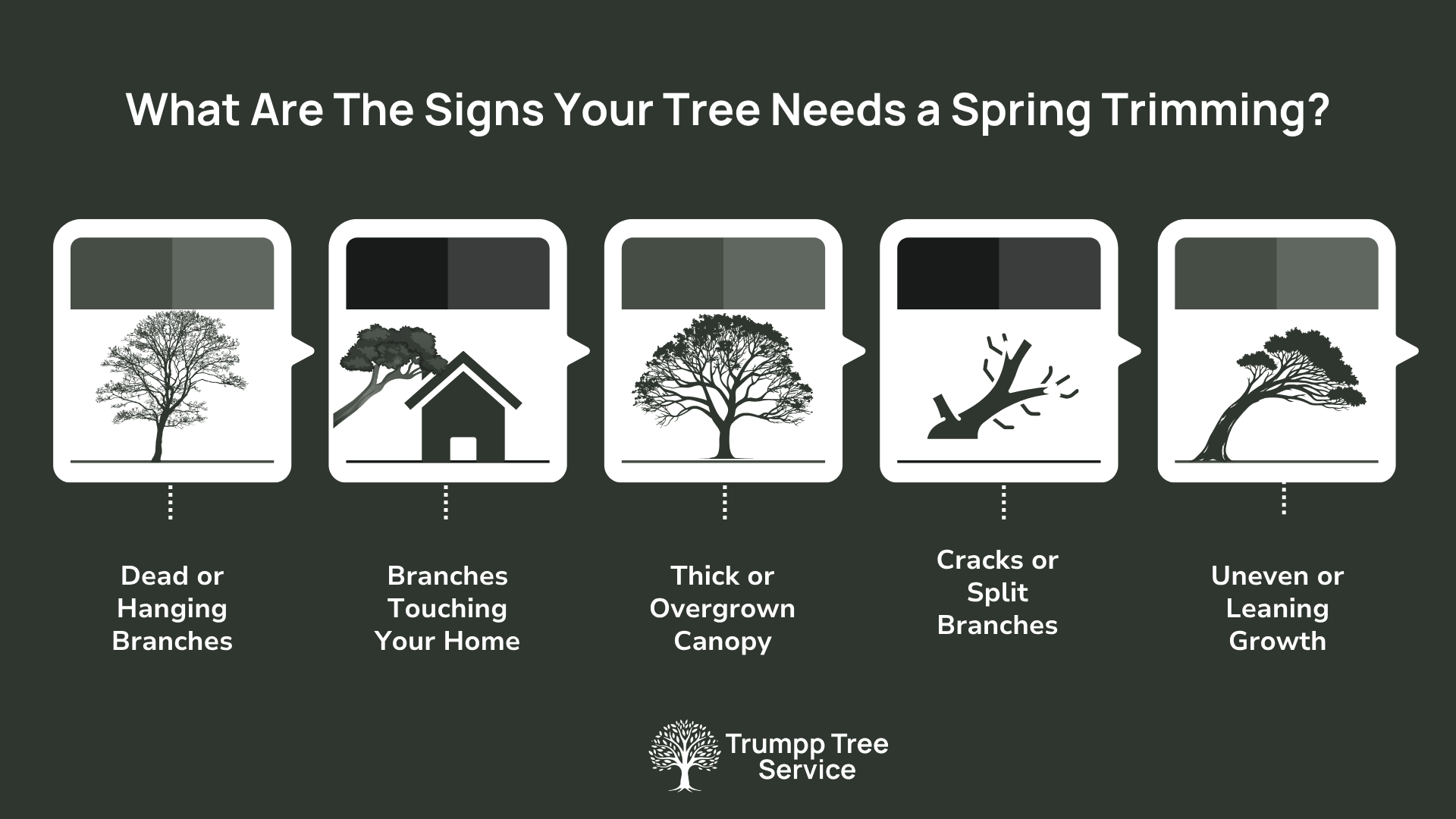
Here are some common signs your tree may need professional spring tree trimming.
Dead or Hanging Branches
Dead limbs are often the first to fall during storms. If you notice brittle, lifeless, or hanging branches, it’s time for an inspection.
Branches Touching Your Home
Limbs scraping against roofs, siding, gutters, or windows can cause gradual damage and become dangerous during storms.
Thick or Overgrown Canopy
If sunlight struggles to get through your tree or your yard feels overly shaded, your canopy may need thinning.
Cracks or Split Branches
Winter stress often causes cracks that worsen over time.
Uneven or Leaning Growth
Trees that appear lopsided or top-heavy may have structural issues that should be corrected early.
The Risks of DIY Tree Trimming
A lot of homeowners underestimate how dangerous tree trimming can be.
Even smaller trimming jobs can quickly become risky when ladders, heavy limbs, chainsaws, or power lines are involved.
DIY trimming can lead to:
Serious injuries
Property damage
Improper cuts that harm the tree
Unstable branch growth
Increased disease risk
Large trees and dangerous limbs should always be handled by trained professionals with proper equipment.
At Trumpp Tree Service, safety always comes first. We’re licensed, insured, covered by workers’ comp, and experienced in handling dangerous tree-trimming situations across Eastern Michigan.
What Happens After Tree Trimming?
After trimming is complete, your tree begins to redirect energy toward healthier, more controlled growth.
A properly trimmed tree often experiences:
Better spring growth
Improved branch strength
Increased airflow
Healthier canopy development
Better resistance to storms and disease
You’ll also notice cleaner curb appeal and a safer yard overall.
And unlike some companies, we don’t leave your property covered in debris afterward. Complete cleanup is part of every job we do.
Why Homeowners Choose Trumpp Tree Service
We know there are plenty of local tree service companies out there.
What makes us different is how seriously we take both safety and customer service.
Homeowners throughout Eastern Michigan trust us because we offer:
Fast response times
Same-day quotes
Honest recommendations
Safe, professional tree trimming
Experienced in dangerous tree work
Complete cleanup
Fair pricing with no hidden fees
Whether you need routine tree trimming or emergency tree services after a storm, we’re here to help.
Schedule Your Spring Tree Trimming Today
Spring is one of the best times to care for your trees before problems worsen.
If your trees are overgrown, damaged, hanging near your home, or simply haven’t been trimmed in years, now’s the time to get ahead of it.
Call today for a free quote, and we’ll help get your trees healthy, safe, and ready for the season ahead.
Frequently Asked Questions About Spring Tree Trimming
Is spring tree trimming good for trees?
Yes, when done properly. Spring tree trimming can improve tree health, remove winter damage, and encourage stronger growth throughout the season.
What month is best for spring tree trimming?
Late winter through early spring is often ideal in Michigan, depending on the tree species and weather conditions.
Can trimming trees in spring hurt them?
Improper trimming or over-pruning can stress trees. That’s why it’s important to have tree trimming done professionally.
Does tree trimming help prevent storm damage?
Yes. Removing weak limbs and thinning dense canopies helps trees better withstand high winds and severe weather.
How often should trees be trimmed?
Most residential trees benefit from trimming every 1–3 years, depending on their size, health, and location.
What’s the difference between pruning and tree trimming?
Tree trimming usually focuses on shaping and maintenance, while pruning focuses more on tree health, structure, and the removal of problem branches.
Do you offer emergency tree trimming services?
Yes. We provide emergency tree trimming and removal services throughout Eastern Michigan when dangerous limbs or storm damage pose immediate risks.
