

Is Trimming Trees in Winter a Good Idea in Michigan?
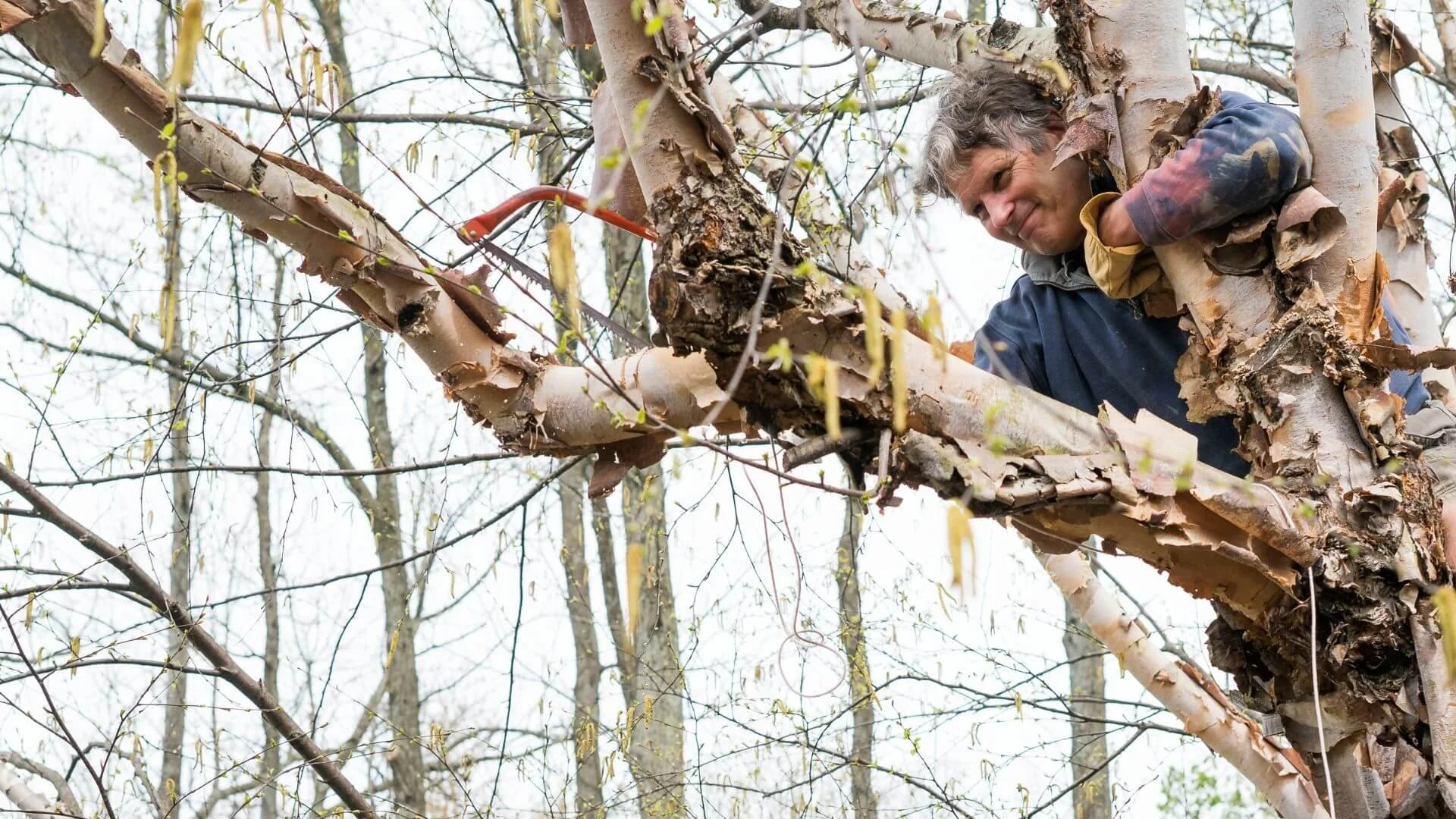
Michigan winters can be tough on trees. Between freezing temperatures, heavy snow, ice buildup, and strong winds, your trees take a beating all winter long.
But winter can also be one of the best times to give your trees the attention they need.
If you've been wondering, can you trim trees in the winter? The answer is yes! In fact, winter trimming can improve tree health, strengthen their structure, and help prevent dangerous branches from falling during future storms.
However, timing matters. Not every tree should be trimmed the same way, and improper trimming can do more harm than good.
At Trumpp Tree Service, we help homeowners throughout Oakland County and surrounding Michigan communities keep their trees healthy and safe year-round. Here's what you should know about winter tree trimming before the next snowfall.
Key Takeaways
Winter is one of the best times to trim many Michigan trees because they're dormant.
Without leaves, it's easier to identify dead branches, structural problems, and weak limbs.
Proper winter tree trimming can improve tree health and reduce storm damage risk.
Generally, trim oak trees during the dormant season to reduce oak wilt risk.
Not every tree benefits from winter trimming, especially certain spring-flowering varieties.
Excessive or improper trimming can weaken a tree and affect future growth.
Professional tree trimming helps protect your trees, home, and surrounding property.
Can You Trim Trees in the Winter in Michigan?
Absolutely. For many trees in Michigan, winter is actually an ideal time for trimming.
During the colder months, most deciduous trees enter dormancy. This means they've stopped actively growing and are conserving energy until warmer temperatures return. Because the tree isn't actively producing leaves or new growth, properly timed pruning can help maintain its structure without interrupting the growing season.
Another advantage? Visibility.
Once the leaves fall, it's much easier to see the tree's branches and overall structure. This allows professionals to identify problems that might otherwise remain hidden beneath a thick canopy.
Winter tree trimming is particularly beneficial for trees with:
Dead or damaged branches
Crossing or rubbing limbs
Weak branch connections
Overgrown branches near structures
Structural problems that need correction
Limbs damaged by previous storms

Why Is Winter a Good Time to Trim Trees?
There are several reasons homeowners throughout Eastern Michigan schedule tree trimming during the winter months.
Trees Are Dormant
Dormancy is one of the biggest advantages of winter pruning.
During winter, deciduous trees aren't actively growing. Carefully removing selected branches during this period helps the tree enter spring with improved structure. When temperatures warm, the tree can direct resources toward its remaining branches and new growth.
However, removing too much healthy growth can still stress a tree, even during dormancy. That's why proper trimming matters.
It's Easier to Spot Dangerous Branches
Have you ever looked up at a large tree in the summer and wondered what's happening beneath all those leaves?
You're not alone.
Dense foliage can hide cracked limbs, crossing branches, and structural weaknesses. During winter, those problems become much easier to identify.
Professional tree trimming crews can examine the tree's structure and determine which branches to remove before they become bigger problems.
Winter Trimming Can Help Prevent Storm Damage
Michigan weather doesn't always cooperate.
Heavy snow, freezing rain, and strong winds can put tremendous pressure on tree branches, especially those that are already weak or damaged. Proper winter tree trimming can help reduce certain risks by removing compromised limbs and improving the tree's overall structure.
This is especially important for trees growing near:
Homes and garages
Driveways
Sidewalks
Fences
Outdoor living spaces
While trimming can't guarantee a tree will survive every storm, addressing weak branches early can reduce the likelihood of preventable damage.
When Is the Best Time for Winter Tree Trimming?
For many Michigan trees, late winter through early spring is an excellent time for trimming, before new growth begins. By this point, trees are generally still dormant, and the coldest part of winter may be passing.
However, that doesn't mean every winter day is ideal.
Extremely cold temperatures can make branches more brittle, and severe weather can create unsafe working conditions. It's generally better to schedule trimming during a relatively mild, dry period rather than during extreme cold or an active winter storm.
At Trumpp Tree Service, we consider the tree's condition, species, and surrounding property before recommending the right trimming approach.
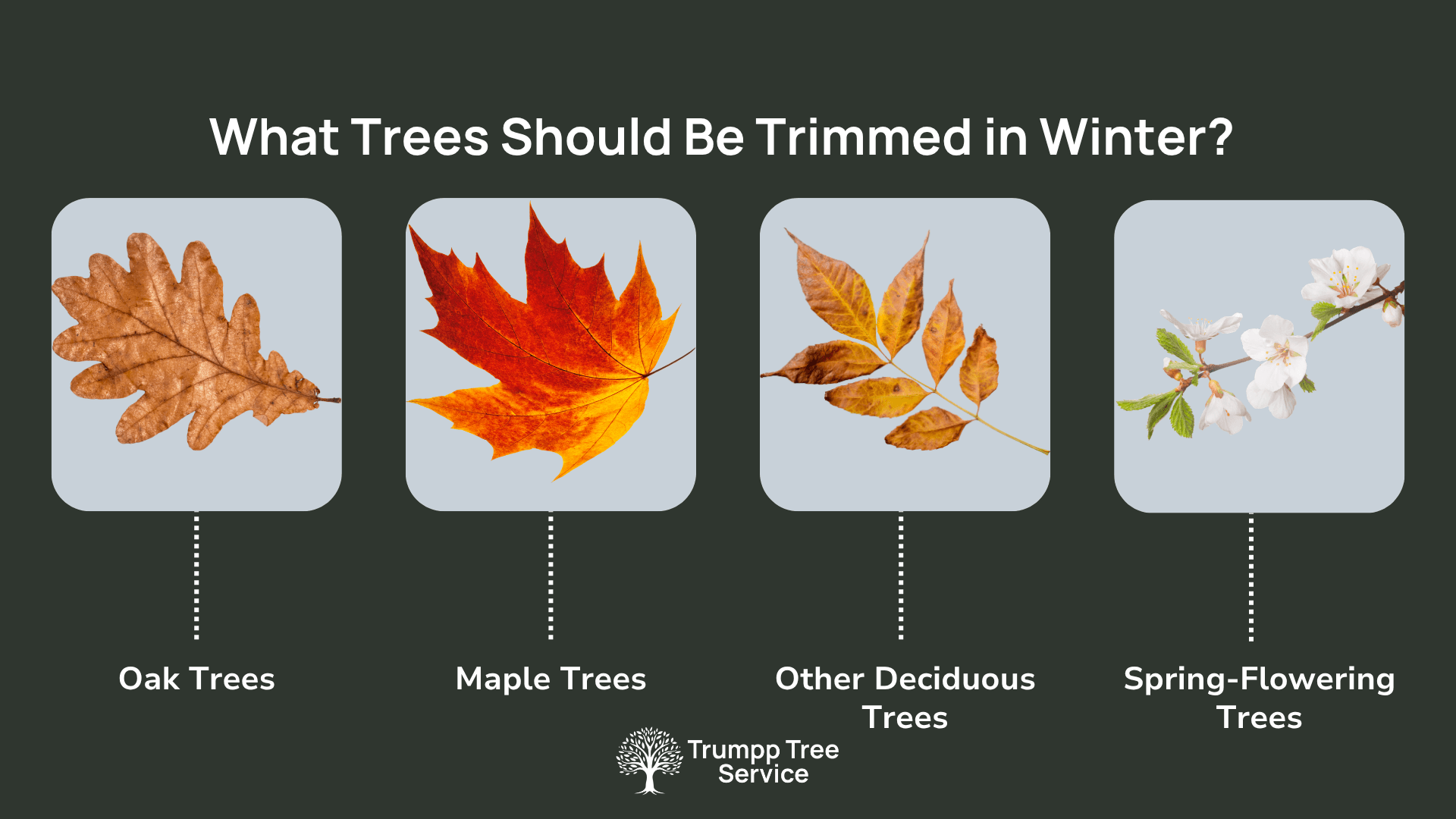
What Trees Should Be Trimmed in Winter?
Not every tree follows the same trimming schedule.
Some Michigan species benefit greatly from dormant-season pruning, while others require more careful timing.
Oak Trees
Winter is generally the preferred time to trim oak trees in Michigan.
Why? Oak wilt.
Oak wilt is a serious fungal disease that can spread when certain beetles visit fresh pruning wounds during warmer months.
Trimming oak trees during the dormant season helps reduce this risk. If you have oak trees that need trimming, schedule the work at the right time rather than waiting until spring or summer.
Maple Trees
Maple trees can often be trimmed during winter dormancy.
Without leaves, it's easier to identify crossing branches, weak connections, and structural problems. You may notice sap flowing from pruning cuts as spring approaches. This is common in maples and doesn't necessarily mean the tree has been harmed.
Other Deciduous Trees
Many shade trees benefit from properly timed winter pruning, including certain varieties of elm, birch, and other common Michigan landscape trees.
However, the right approach depends on the tree's species, age, and condition.
Spring-Flowering Trees
Some trees are better trimmed after they finish flowering. For example, ornamental trees such as magnolias, redbuds, and flowering cherries often develop flower buds before winter.
Trimming these trees too early can remove the buds that would have produced spring flowers.
That's why identifying the tree species is key to deciding when to trim.
Can Winter Tree Trimming Damage Your Trees?
Yes, if it's done incorrectly. Just because a tree is dormant doesn't mean you can remove branches without consequences.
Improper trimming can create wounds, weaken structural connections, and interfere with healthy future growth.
Common mistakes include:
Removing too many healthy branches
Cutting branches too close to the trunk
Leaving large branch stubs
Topping trees to reduce their height
Trimming during extreme weather
Using the same trimming approach for every species
One of the biggest mistakes homeowners make is assuming that more trimming means a healthier tree, and that's not always true.
Mature trees, especially those already showing signs of stress, often benefit from a more conservative approach. Professional trimming focuses on removing the right branches, not simply removing the most branches.
Should You Trim Trees Yourself During Winter?
We understand the temptation.
The leaves are gone, you can see a few branches that need attention, and you might already have a chainsaw in the garage.
But DIY winter tree trimming can be more dangerous than it looks.
Snow and ice can make the ground slippery, frozen branches can behave unpredictably, and large limbs may fall or shift unexpectedly when cut.
Working from ladders or cutting branches near your home adds even more risk. We strongly recommend leaving large branches, high limbs, and trees near structures or power lines to trained professionals.
At Trumpp Tree Service, our experienced crews have the equipment and knowledge to handle difficult trimming jobs while protecting your property. And when the work is finished, we take care of the cleanup, too.
Schedule Your Winter Tree Trimming With Nick the Tree Guy
So, can you trim trees in the winter?
Absolutely! For many Michigan trees, winter is one of the best times to address damaged branches, improve structure, and prepare for healthy spring growth. The key is knowing which trees need attention, when to trim them, and how much to remove.
If your trees have overgrown limbs, damaged branches, or haven't been professionally trimmed in years, don't wait for the next Michigan storm to reveal a problem.
Call Trumpp Tree Service today for a free quote.
We'll help you determine the safest, healthiest approach for your trees and leave your property clean when the job is done.
Frequently Asked Questions About Trimming Trees in Winter
Can I trim trees in winter when it's freezing outside?
Yes, you can trim some trees in freezing temperatures. However, extreme cold can make branches brittle and working conditions dangerous. It's generally better to schedule trimming during milder winter weather.
What month is best for trimming trees in Michigan?
For many deciduous trees, February through early March is a good time for winter trimming. However, the ideal timing depends on the species, weather, and tree condition.
Is it better to trim trees in winter or summer?
Winter is often preferable for structural pruning of dormant deciduous trees. Summer trimming may suit certain maintenance needs, but species-specific considerations matter.
Can you trim oak trees in winter?
Yes. Winter is generally the preferred time to trim oak trees in Michigan because it reduces the risk of oak wilt transmission associated with pruning during warmer months.
Does trimming trees in winter help them grow?
Proper winter trimming can encourage healthy spring growth and improve a tree's structure. However, excessive trimming can weaken the tree, so selective pruning is important.
How often should trees be professionally trimmed?
It depends on the species, age, health, and location. Young trees may need more frequent structural pruning, while mature trees may only require occasional maintenance or removal of hazardous branches.
