

Fallen Tree Removal: What to Do When a Tree Comes Down
When a tree comes down on your property, figuring out what to do next can feel overwhelming.
Maybe a storm knocked a tree across your driveway. Maybe a large tree landed on your garage or roof. Or maybe you woke up to find a tree that looked perfectly fine yesterday lying across your yard.
Whatever happened, your first priority should be safety.
Fallen tree removal can involve unstable branches, heavy trunks, damaged structures, and even downed power lines. Knowing what to do and what not to do can help you protect yourself, prevent additional property damage, and make the removal process much easier.
At Trumpp Tree Service, we handle fallen trees and emergency tree situations throughout Eastern Michigan. Here's what you should do when a tree comes down.
Key Takeaways
Stay away from fallen trees and unstable branches.
Never approach trees touching power lines.
Take photos of damage before cleanup begins.
Leave large or unstable fallen trees to professionals.
Act quickly if a tree blocks access or damages property.
Preventative tree care can reduce the risk of future tree failures.
Contact Trumpp Tree Service for fast help with removing your fallen trees.
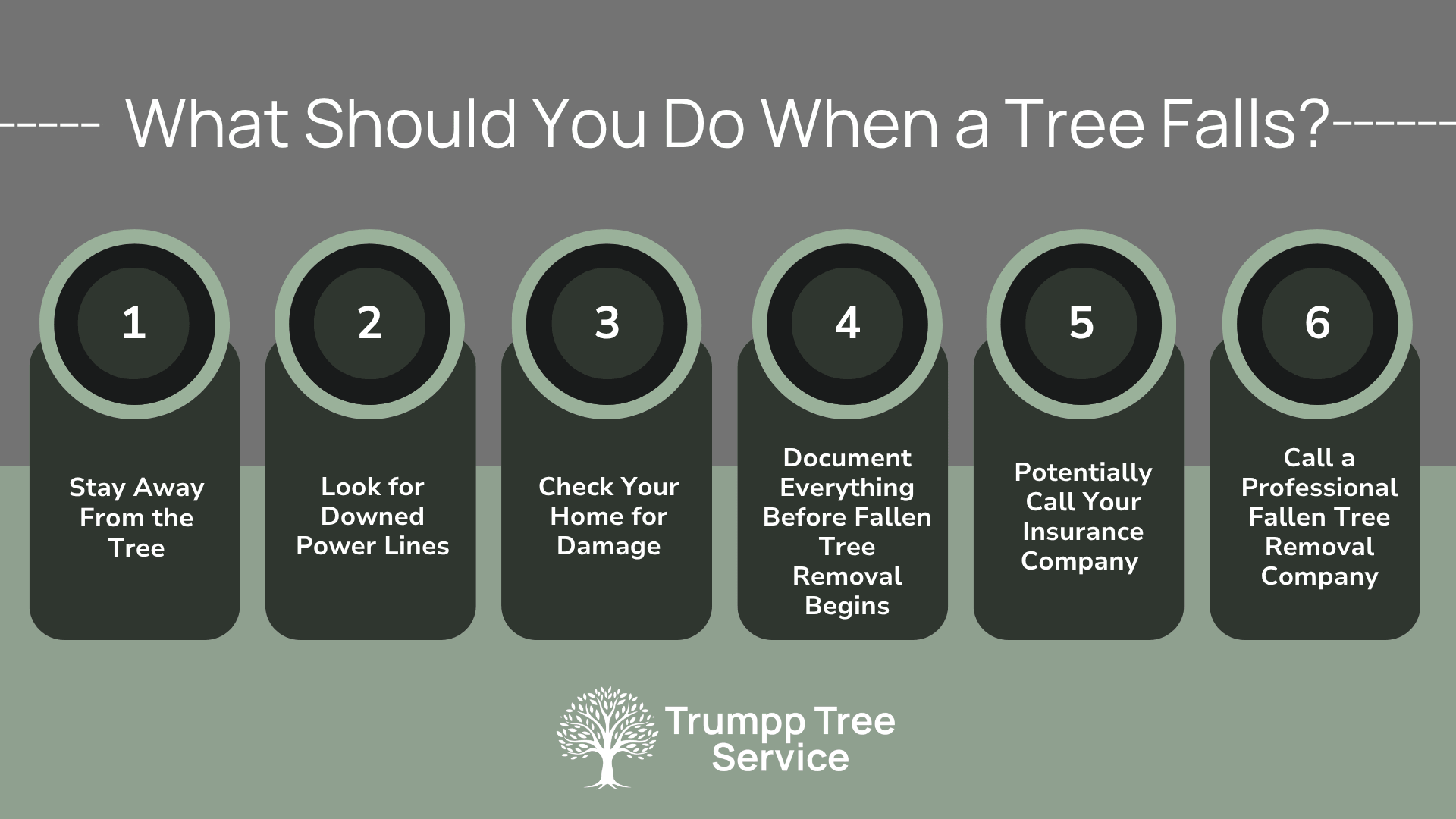
What Should You Do When a Tree Falls?
Before worrying about cleanup, insurance, or how you'll get the tree out of your yard, make sure everyone is safe.
A fallen tree isn't necessarily stable just because it's on the ground. Large branches can be under significant tension, portions of the trunk can shift, and damaged trees may still have hanging limbs overhead.
Here's where to start.
Stay Away From the Tree
Keep people and pets away from the fallen tree until you know it's safe.
This is especially important when the tree is partially suspended, leaning against another tree or structure, or has broken limbs still hanging overhead.
Don't climb the tree or move branches to get a better look.
Look for Downed Power Lines
If the tree has fallen onto or near a power line, stay away.
Do not touch the tree, branches, fence, vehicle, or anything else that may be in contact with the line. A fallen tree can conduct electricity, making the surrounding area extremely dangerous.
Contact your utility provider immediately and wait for them to confirm the area is safe before approaching it or beginning fallen tree removal.
Check Your Home for Damage
From a safe location, determine whether the tree has damaged your home, garage, vehicle, fence, or another structure.
If there's significant structural damage or you're concerned that part of your home may be unstable, stay out of the affected area.
If anyone is injured or there's an immediate threat to someone's safety, call 911.
Document Everything Before Fallen Tree Removal Begins
If the tree damaged your home or another structure, take photos before cleanup begins whenever it's safe to do so.
Photograph the fallen tree from several angles along with any visible damage to your roof, siding, garage, fence, vehicle, landscaping, or other property.
This documentation may be useful when you contact your homeowner's insurance company.
You don't need to put yourself in danger to get the perfect picture. If the tree or structure looks unstable, wait until professionals arrive.
Should You Call Your Insurance Company?
If a fallen tree damaged your home, garage, fence, or another insured structure, contact your homeowner's insurance company as soon as possible.
Coverage varies by policy and situation, so don't assume your insurance will or won't pay for removal.
Your insurance company can explain what your specific policy covers, whether an adjuster needs to inspect the damage, and what documentation they'll need from you.
Call a Professional Fallen Tree Removal Company
Once immediate safety concerns have been addressed, call a professional tree service, like Trumpp Tree Service.
Fallen trees can be much more complicated and dangerous to remove than they appear.
A tree may be resting against a building, tangled in surrounding trees, partially uprooted, or under tremendous pressure. Cutting the wrong section can cause the trunk or branches to move suddenly.
Professional tree crews have the experience and equipment needed to evaluate how the tree fell and determine the safest way to remove it.
At Trumpp Tree Service, we'll assess the situation, explain what needs to happen, and create a plan for safely removing the tree while protecting the surrounding property.
Can You Remove a Fallen Tree Yourself?
For a few small branches lying freely on the ground, homeowners may be able to handle cleanup themselves.
Large fallen trees are a different story.
Even experienced homeowners can underestimate how much weight and tension are stored in a fallen tree. Branches can spring when they're cut, trunks can roll, root balls can shift, and partially suspended trees can move without warning.
Chainsaws add another serious hazard to an already unpredictable situation.
If the tree is large, touching a structure, near power lines, partially suspended, or otherwise unstable, don't attempt fallen tree removal yourself.
Calling a professional is much safer than turning one property problem into an injury or additional damage.
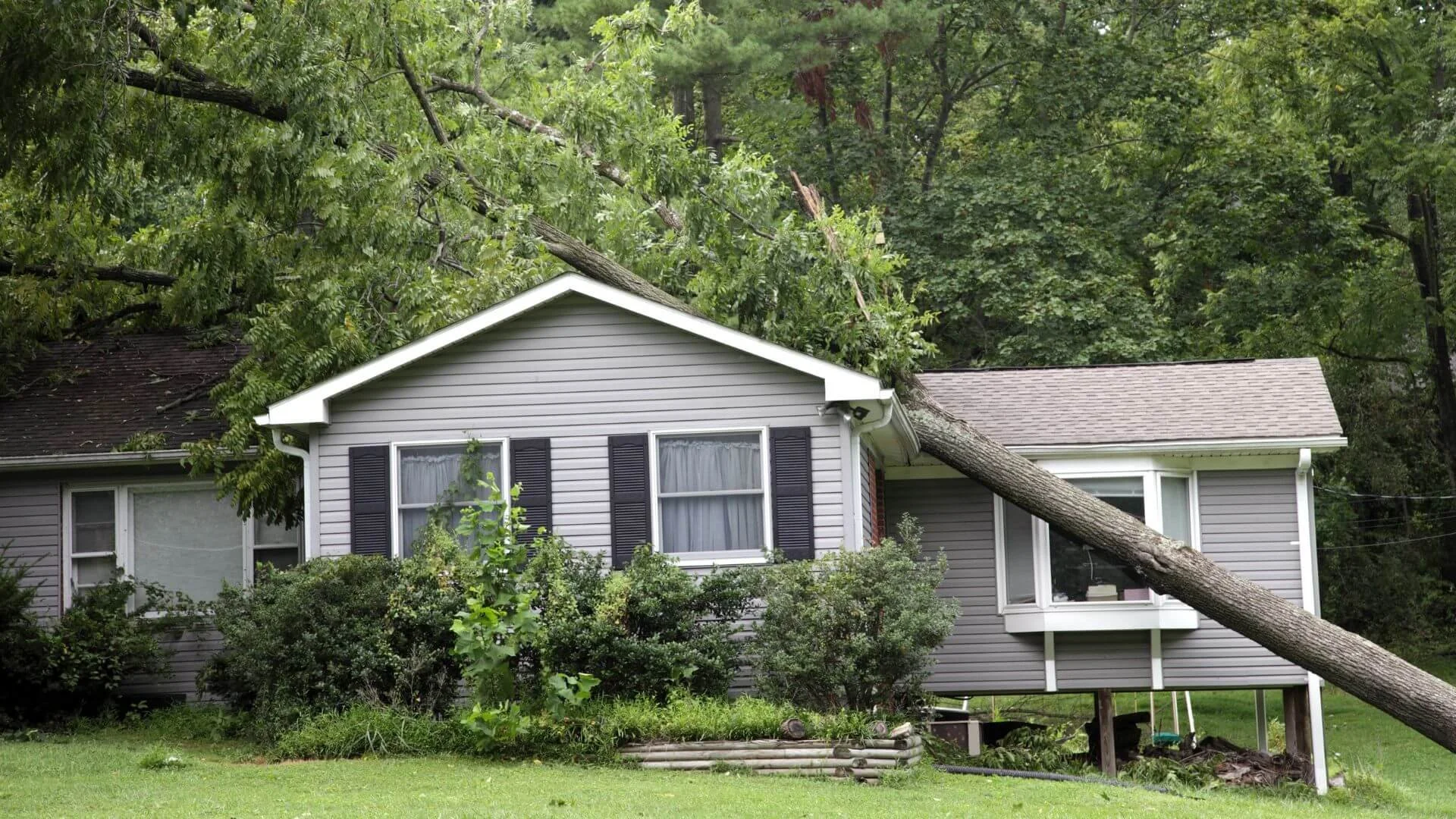
What If a Tree Falls on Your House?
A tree falling onto your house requires extra caution.
First, get everyone away from the damaged portion of the home. If you see significant structural damage or believe the house may be unsafe, leave the property and contact the appropriate emergency services.
Watch carefully for power lines as well.
Once everyone is safe, document the damage if you can do so without approaching the tree. Then contact your homeowner's insurance provider and a professional emergency tree service.
Removing a tree from a roof requires careful planning. You may need to remove the tree section by section using specialized equipment so you don't place additional weight on the damaged structure.
This isn't the time to grab a chainsaw and start cutting from the ground.
What If a Tree Falls Across Your Driveway?
A tree across your driveway might seem less serious than one on your house, but it can still create an urgent situation.
A blocked driveway can prevent you from leaving your property and may also restrict access for emergency vehicles.
Avoid attempting to move a large tree with your vehicle, especially if it's partially attached to the stump or has branches under tension.
Call a professional tree company that can safely cut and remove the tree so access can be restored.
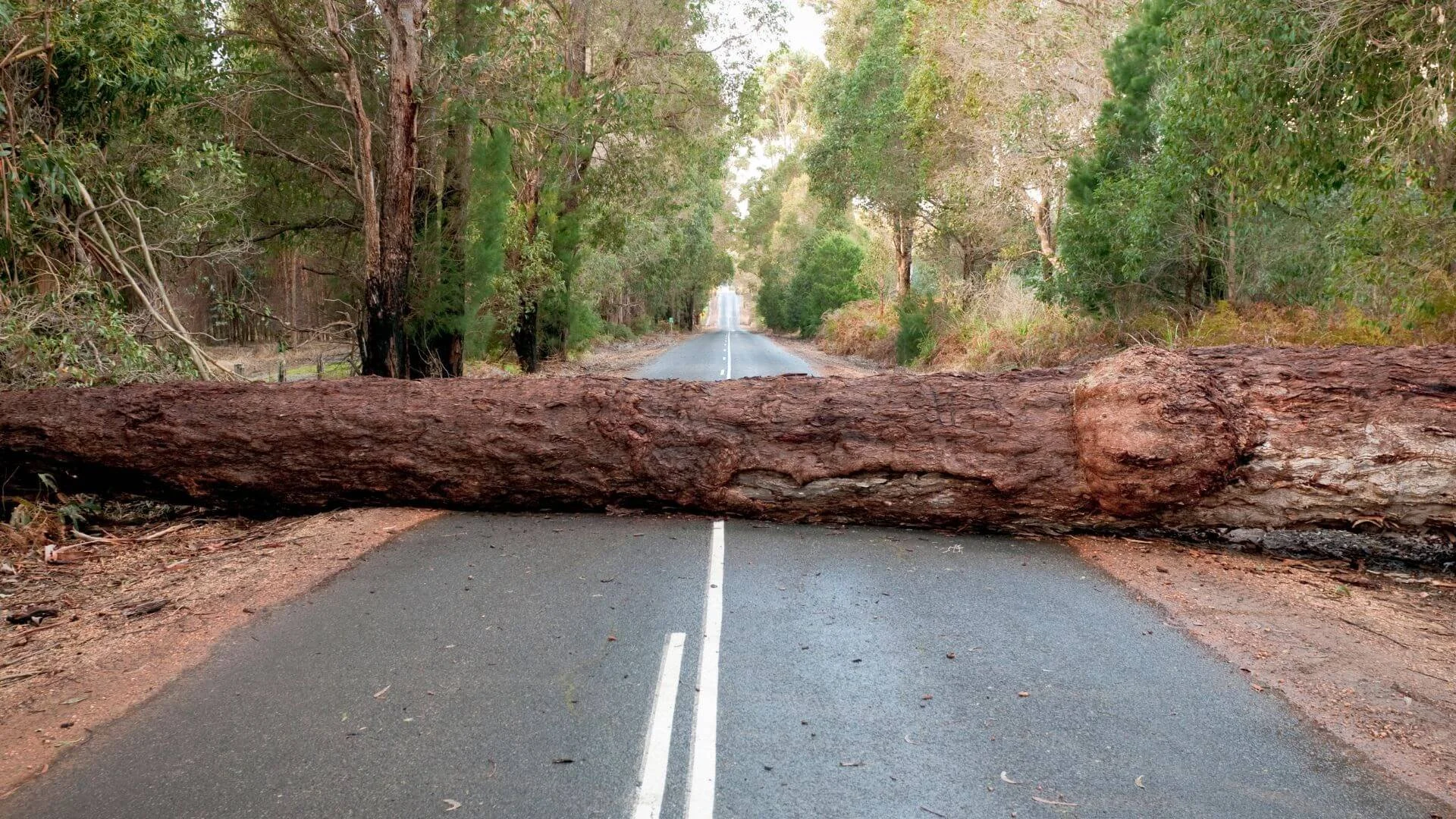
What If a Tree Falls Into the Road?
Responsibility for removing a fallen tree can depend on where the tree and roadway are located.
If a tree is blocking a public street, contact your local municipality, road authority, or emergency services as appropriate.
The Michigan DNR also recommends contacting your city, village, township, or county when a tree is located on municipal property, such as the area between a sidewalk and curb.
If the tree originated on your property but has fallen into a public area, don't attempt to clear the road yourself while traffic is moving around you.
What If the Fallen Tree Is Near Power Lines?
This is one situation where you should never try to handle the problem yourself.
If a tree has fallen onto, pulled down, or become tangled with electrical lines, keep your distance and contact the utility company.
The Michigan DNR notes that electric utility companies may provide trimming or removal assistance when trees are overgrown, damaged, or dead and threaten utility lines or equipment.
The utility needs to address the electrical hazard before normal tree removal can safely proceed. Even if the line doesn't appear damaged, treat it as energized until the utility company tells you otherwise.
What Happens During Fallen Tree Removal?
Every situation is different, but professional fallen tree removal generally begins with an assessment.
Before making cuts, the crew needs to understand where the tree is resting, which branches are carrying weight, whether anything is under tension, and what structures or landscaping need to be protected.
The tree can then be carefully dismantled.
Depending on its size and location, that may mean removing limbs first and cutting the trunk into manageable sections. More complicated situations may require rigging or specialized equipment to control how sections of the tree move.
Once the tree is removed, the remaining branches, logs, and debris can be cleared from the property.
At Trumpp Tree Service, cleanup matters to us. We don't want to solve one problem and leave you with another.
Can Fallen Trees Be Prevented?
You can't prevent every tree from falling. Michigan weather will always be unpredictable.
However, you can reduce many avoidable risks with preventive tree care.
Routine tree trimming can remove dead, damaged, and excessively heavy branches before they're tested by the next major storm. Tree inspections can also identify cracks, decay, leaning, root problems, and other warning signs that aren't always obvious from the ground.
If a tree is severely damaged, dead, or structurally unstable, removing it before it falls gives you much more control over the process.
Scheduled tree removal is almost always preferable to discovering that a dangerous tree has chosen its own landing spot.
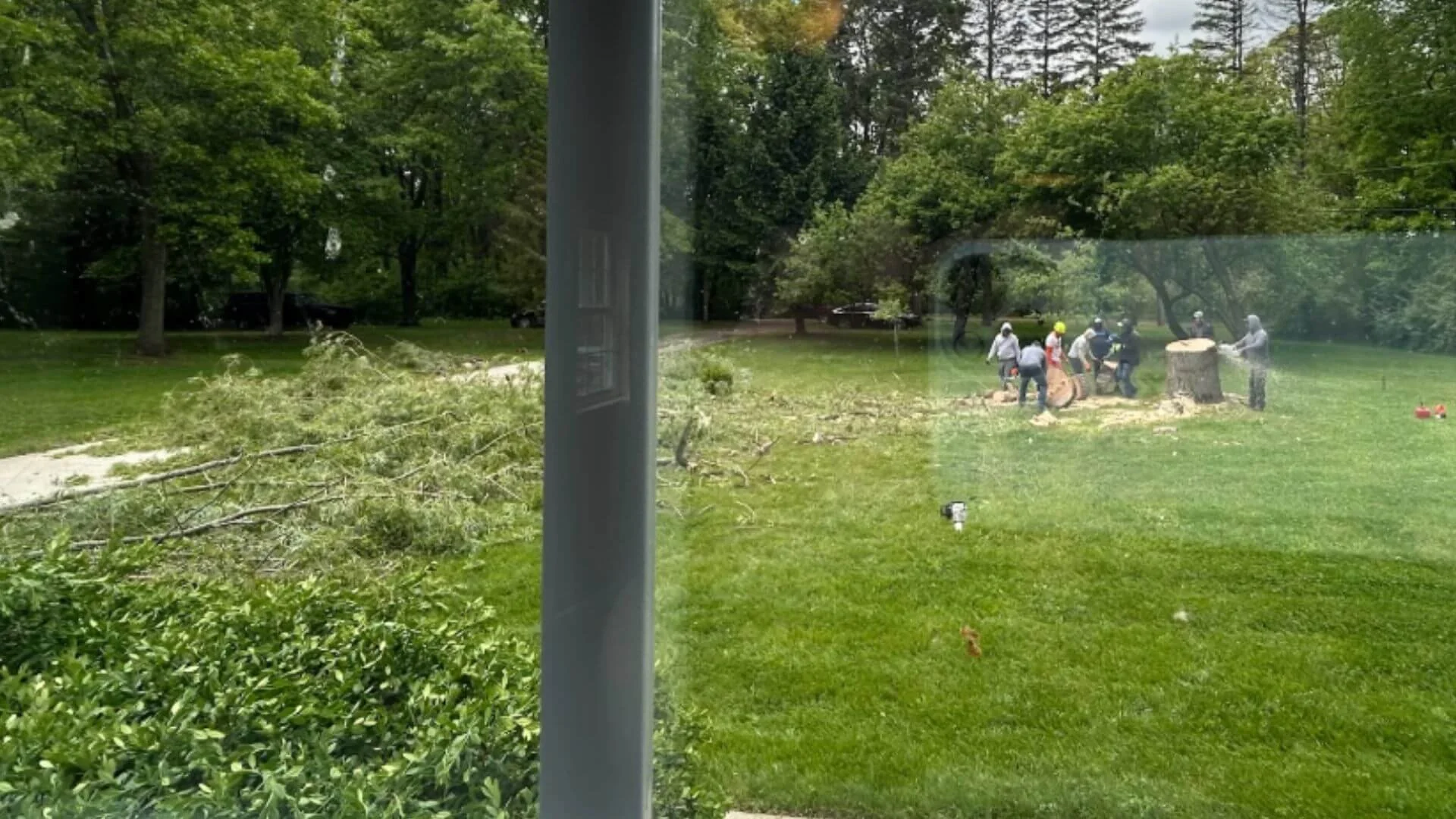
Choosing a Fallen Tree Removal Company
When a tree is down, it's easy to hire whoever can get there first. Speed matters, but so does safety.
Make sure the company you hire has appropriate insurance and workers' compensation coverage. You should also look for a company with experience handling dangerous and storm-damaged trees. Emergency removals can be significantly more complicated than routine tree work, especially when structures, power lines, or other trees are involved.
Ask what's included in the service, how the tree will be removed, and whether cleanup is included. A reputable tree company should be able to explain what needs to happen and why.
Need Fallen Tree Removal in Eastern Michigan?
When a tree comes down, you shouldn't have to figure everything out yourself.
Trumpp Tree Service provides professional fallen tree removal and emergency tree services throughout Eastern Michigan.
We handle fallen trees, storm-damaged trees, dangerous limbs, emergency tree removal, and cleanup with the equipment and experience necessary to get your property safe again.
We'll assess the situation, explain your options, and get to work as quickly as possible.
If you have a tree down on your property, give us a call.
Frequently Asked Questions About Fallen Tree Removal
Who should I call first when a tree falls?
If anyone is injured or there's an immediate threat to life, call 911. If power lines are involved, stay away and contact your utility provider. For a tree that has damaged your property but isn't creating an immediate life-threatening hazard, contact your insurance provider and a professional tree removal company.
Does homeowner's insurance cover fallen tree removal?
It depends on your policy and what the tree damaged. Coverage may be available when a fallen tree damages an insured structure, but you should contact your insurance company directly to determine what your policy covers.
Can I cut up a fallen tree myself?
Small, completely stable branches may be manageable, but large fallen trees can shift unexpectedly and contain limbs under significant tension. Trees near structures, power lines, vehicles, or other hazards should be handled professionally.
What should I do if a tree falls on a power line?
Stay away from the tree and the power line and contact your electric utility immediately. Never touch or attempt to remove a tree that's in contact with electrical lines.
How quickly should a fallen tree be removed?
If the tree is creating a safety hazard, blocking access, resting on a structure, or threatening additional property damage, it should be addressed as quickly as possible. A tree lying safely in an open area may be less urgent, but it should still be evaluated and removed.
Do you provide emergency fallen tree removal?
Yes. Trumpp Tree Service handles emergency tree situations throughout Eastern Michigan, including fallen trees, storm damage, dangerous limbs, and hazardous trees.
